






By Guy Lodge
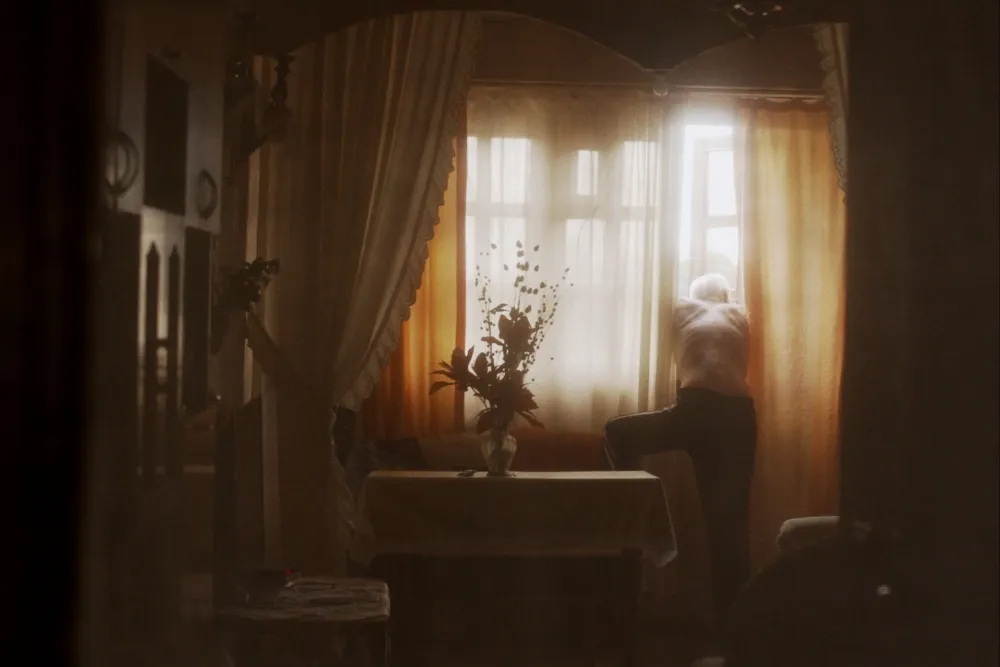
According To The variety Named for the late medieval Georgian monarchy that once stood proud on the same land, “The Kartli Kingdom” is a ruefully ironic nickname for less-than-royal lodgings: a derelict sanatorium in overgrown semi-rural grounds, overlooking the brighter lights of central Tbilisi in the distance. Once home to a state-of-the-art cardiology hospital that was shuttered in the early 1990s, its wards have since been occupied by hundreds of Georgians left homeless by the 1992 war in Abkhazia — now a devastated sovereign territory to which they cannot return. Over the last 30-odd years, what was intended to be a temporary shelter has become a long-term purgatory, and that eerily stretched stillness of time is poignantly captured in Tamar Kalandadze and Julien Pebrel‘s debut documentary. The focus on families uprooted by the Abkhazian conflict makes “The Kartli Kingdom” a kind of documentary counterpart to Rusudan Glurjidze’s “House of Others,” a haunting semi-autobiographical drama that was a festival hit in 2016 — and with which Kalandadze and Pebrel’s film even shares a kind of gauzy, ghostly aesthetic. The joint director-cinematographers’ crepuscular, seemingly translucent images conjure an aptly liminal atmosphere for a study of lives lived in long-term limbo, though there’s neighborly humanity and humor amid the melancholy, as the Kingdom’s residents cultivate a strong sense of community in their crumbling surroundings. That balance of warmth and melancholy should carry “The Kartli Kingdom” far on the docfest circuit, following its premiere (and Best Director win) in IDFA.Kalandadze and Pebrel maintain a silent, discreet presence in the apartments and corridors they’re filming, usually taking a fly-on-the-wall approach to scenes of everyday interaction, while their end of any direct interviews is kept out of the edit. Drifting between households, the film is marked by a sense of slowed time, and days merging into one another, almost imperceptibly building into lifetimes. One elderly resident remarks, in a tone of weary disbelief, that she’s been there, awaiting her next move, for 26 years: She recalls when the halls were still clean and carpeted, and even a crossover period when the space was occupied by refugees and heart patients alike.For some, the wait is too long. Early on, we learn of one middle-aged resident who has jumped to his death from a balcony — “falling like a leaf with everyone watching,” in the words of one saddened but hardened neighbor. Others find comfort in family, companionship and domesticity, as we sit in on light-hearted conversations over coffee, and observe still-houseproud homemakers vacuuming their fading living rooms or preparing feasts in the kitchen. Home video footage of a boisterous wedding party defies the atmosphere of stasis and decay; a shot of several burly men awkwardly steering coffin down a tight stairwell plays back into it. Cats and dogs — some stray, some nurtured — slink around the place projecting their own air of ownership, all part of the Kingdom’s makeshift ecosystem.Yet the community’s days there are numbered, and not because of any political progress or the emergence of a superior alternative. Negligence is rendering the old sanatorium unhabitable, bit by bit, as a widening foundational crack threatens to cleave the building in two. The authorities are slow to offer any aid or repair: The tone of proceedings may often be droll, but there’s a quiet fury in its portrayal of how these displaced people have been shunted out of sight and out of mind by a Georgian government not inclined to look back on the past.Another collective move looms, then, likely to an even more temporary refuge than the one in which, improbably enough, multiple generations of children have been raised. One departing family, surveying the apartment they’ve just vacated, reflects on the things they’ll miss about it. “One day we’ll say, ‘If only I were still at Kartli,’” one says. The immediate rueful laughter that follows says everything: At once angry and elegiac, bitter and wistful, “The Kartli Kingdom” reflects on a sanctuary that became a prison for some, and the other way round for others.







+ There are no comments
Add yours